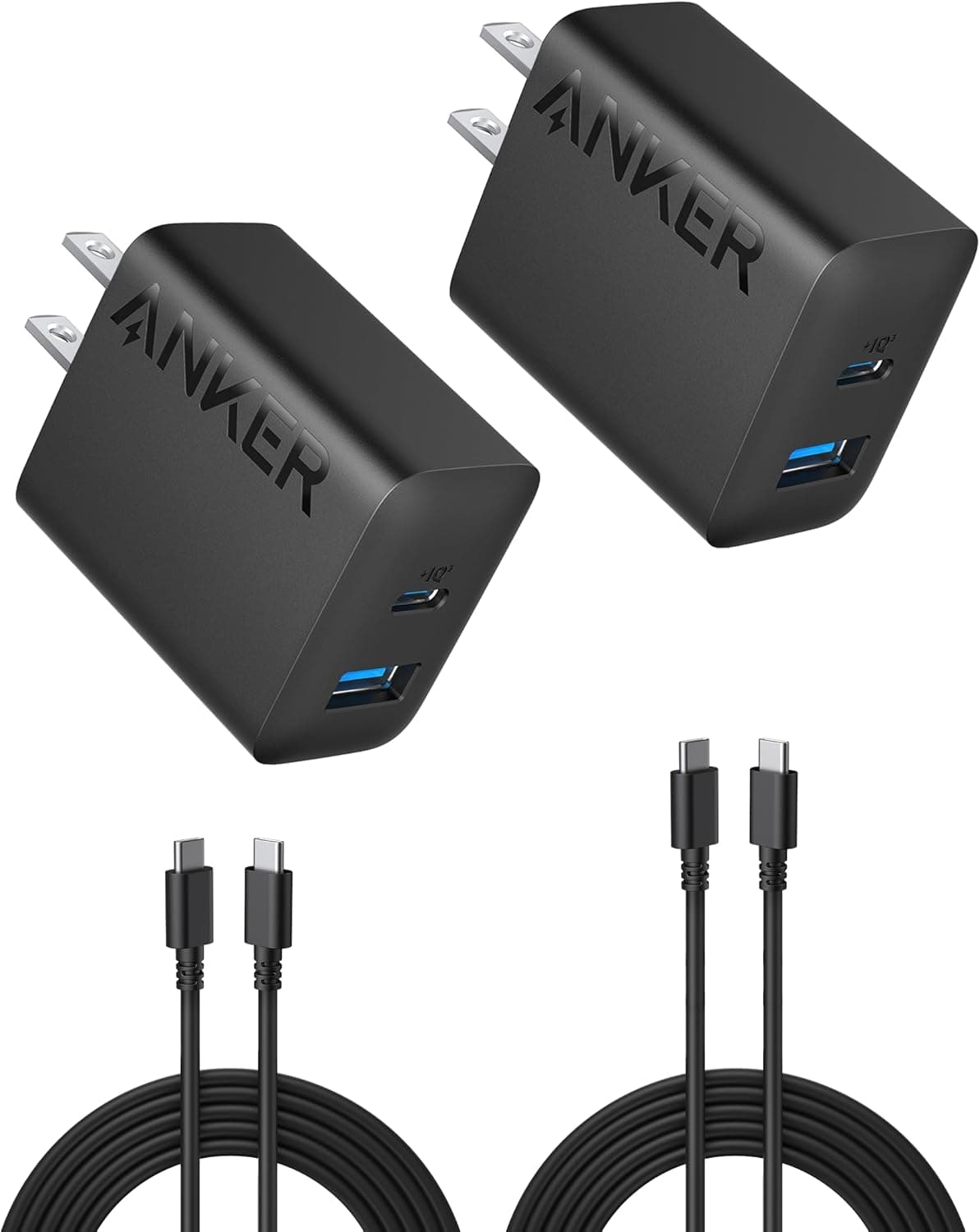
Two blocks, two cables
Anker 20W USB-C Charger Block, 2-pack
Covering two rooms with the boring, correct wattage.
View on AmazonThe decoder
Ten pages, one per figure printed on a box. Each one says what the number does promise, what it does not, and where it misleads people at the counter.
Pick your phone
What this site does not do
Almost every number on an accessory box is technically true and answers a question nobody asked. This site translates them into the one that matters: does it fit the phone you own.
15 listed
The job: turning house current into the protocol your phone speaks.
5 listed
The job: charging a phone by setting it down, without a cable to find.
10 listed
The job: charging two devices from one socket without heat.
10 listed
The job: carrying watt-hours that will pass a bag check.
9 listed
The job: holding a slab of glass one-handed.
6 listed
The job: keeping the phone attached to you.
10 listed
The job: audio that pairs, lasts, and survives a pocket.
Drag to see the rest →
Charger Match
Your phone
Devices charging at once
Where you are charging
What that comes to
iPhone 15, 16 and 17 uses USB-C and charges over USB Power Delivery over USB-C. Magnetic accessories: built-in magnet ring, no case required. So you want a wall charger, with a cable that has the right ends for USB-C.
Share per device = stated total ÷ devices charging
Take a unit stating 45W total: 45 ÷ 1 = 45W as an even share across one device. Most manufacturers do not publish how they actually divide it, so an even split is an illustration rather than a specification.
Listings in our data that state this configuration
Anker Nano 45W Smart Display Charger
The listing states: 45W max, GaN, a 180 degree foldable plug, a single USB-C port, and no cable in the box.
View on AmazonAnker 20W USB-C Charger Block, 2-pack
The listing states: 20W USB-C, two blocks with two cables.
View on Amazon25W USB-C Wall Charger with 10 ft Cable, 2-pack
The listing states: 25W for Samsung super fast charging.
View on AmazonReal charging speed depends on the phone, the cable, the protocol both ends support, and the battery temperature at the time. Nothing here predicts how fast a particular phone will charge from a particular charger, and no wattage on a box does either.
65
Products listed
Each one written from its own listing, with figures left blank where the listing leaves them blank.
7
Categories
Split into 18 subgroups, because a retractable car charger and a bare-port one are different purchases.
10
Specs decoded
One page per number or term on the box, each with what it does not promise.
2026
Last updated
Alongside 6 phone families and 5 situation loadouts.
| Phone family | Connector | Magnetic grip | Fast charge protocol | Where it gets tricky |
|---|---|---|---|---|
| iPhone 15, 16 and 17 | USB-C | Built-in magnet ring, no case required | USB Power Delivery over USB-C | Lightning cables from an older iPhone no longer fit anything on this phone |
| iPhone 14 and older | Lightning | Magnet ring built into iPhone 12 through 14; none on iPhone 11 and older | USB Power Delivery, but only over a USB-C to Lightning cable | The old USB-A to Lightning cable charges slowly and never says so |
| Samsung Galaxy S | USB-C | Case only — no magnet ring built into the phone | USB Power Delivery with PPS; Samsung publishes its own charging figures | Magnetic accessories need a magnetic case, which many buyers discover after the grip arrives |
| Google Pixel | USB-C | Case only on most models — check the specific model before buying magnets | USB Power Delivery, with PPS on models where Google states it | Charging wattage claims vary by model, so the family name is not enough to shop by |
| Budget Android phones | USB-C on most current models, with micro-USB still appearing at the low end | Case only, and a magnetic case may not exist for the specific model | Varies widely — often a manufacturer protocol with a slow standard fallback | The specific model decides everything here, and generic advice is worth less than usual |
| iPads and tablets | USB-C on current models, with Lightning on some older iPads | Magnets are for covers and stands, not for a charging ring | USB Power Delivery | A charger that is generous for a phone can be visibly slow for a tablet |
5 items · 3 to leave out
You are out of the house for ten or twelve hours, on public transport for some of it, and nowhere near a reliable outlet in between. Nothing here is about emergencies. It is about not spending the afternoon watching a battery percentage.
Open the list5 items · 3 to leave out
Twelve hours in a seat, an outlet that may or may not exist and may or may not work, and a bag that goes through a security scanner at both ends. This kit is chosen around two constraints: what the arithmetic allows and what fits in a seat pocket.
Open the list5 items · 3 to leave out
A driver, a passenger, a navigation app running the whole way, and one 12V socket. This is the situation where the difference between a total wattage and a per-port wattage stops being a technicality.
Open the list5 items · 3 to leave out
One room, two outlets in the wrong places, a phone, a laptop, earbuds, and a lecture hall where the nearest socket is four seats away. This is the one kit where a shared wattage budget is the right answer rather than a compromise.
Open the list5 items · 3 to leave out
You are recording yourself doing something with both hands: cooking, repairing, demonstrating. The phone has to stay put, stay powered, and stay recoverable when it does not stay put.
Open the listPower Bank Flight Check
Capacity on the bank
How many banks are you carrying
The arithmetic, printed
Wh = mAh ÷ 1000 × 3.7
10,000 ÷ 1000 × 3.7 = 37 Wh per bank.
1 bank × 37 Wh = 37 Wh carried in total.
Each bank is well below the commonly published 100 Wh figure.
Before you pack it
No. That is the total across all ports at once, and the split is usually not published. One phone gets whatever the unit allocates it, and the listing does not say what that is.
Rarely. That is roughly 37 Wh of stored energy, and converting it up to what a phone accepts costs some of it as heat. Stored is not delivered.
No. On a third-party listing it is a seller statement about magnet alignment. It is not a certification, and it says nothing about charging speed.
No. Level 5 is a water jet test. Immersion is a different test at a different level, and none of these tests cover salt or chlorinated water.
Usually the cable, sometimes the protocol. A cable without the right rating caps the whole chain, and a charger that names only a wattage may fall back to something slow.
No. That figure counts the buds plus every recharge the case can give them. The buds themselves run for a fraction of it before going back in.
The 7 categories divide into 18 subgroups, and this row holds the top-ranked listing from every one of them — 18 cards, in category order.
Links to Amazon on this page are affiliate links, and a qualifying purchase may earn this site a commission at no extra cost to you. It changes nothing about what is written here: no prices, no ratings, and no claims of our own testing. Affiliate Disclosure.
Two blocks, two cables
Covering two rooms with the boring, correct wattage.
View on Amazon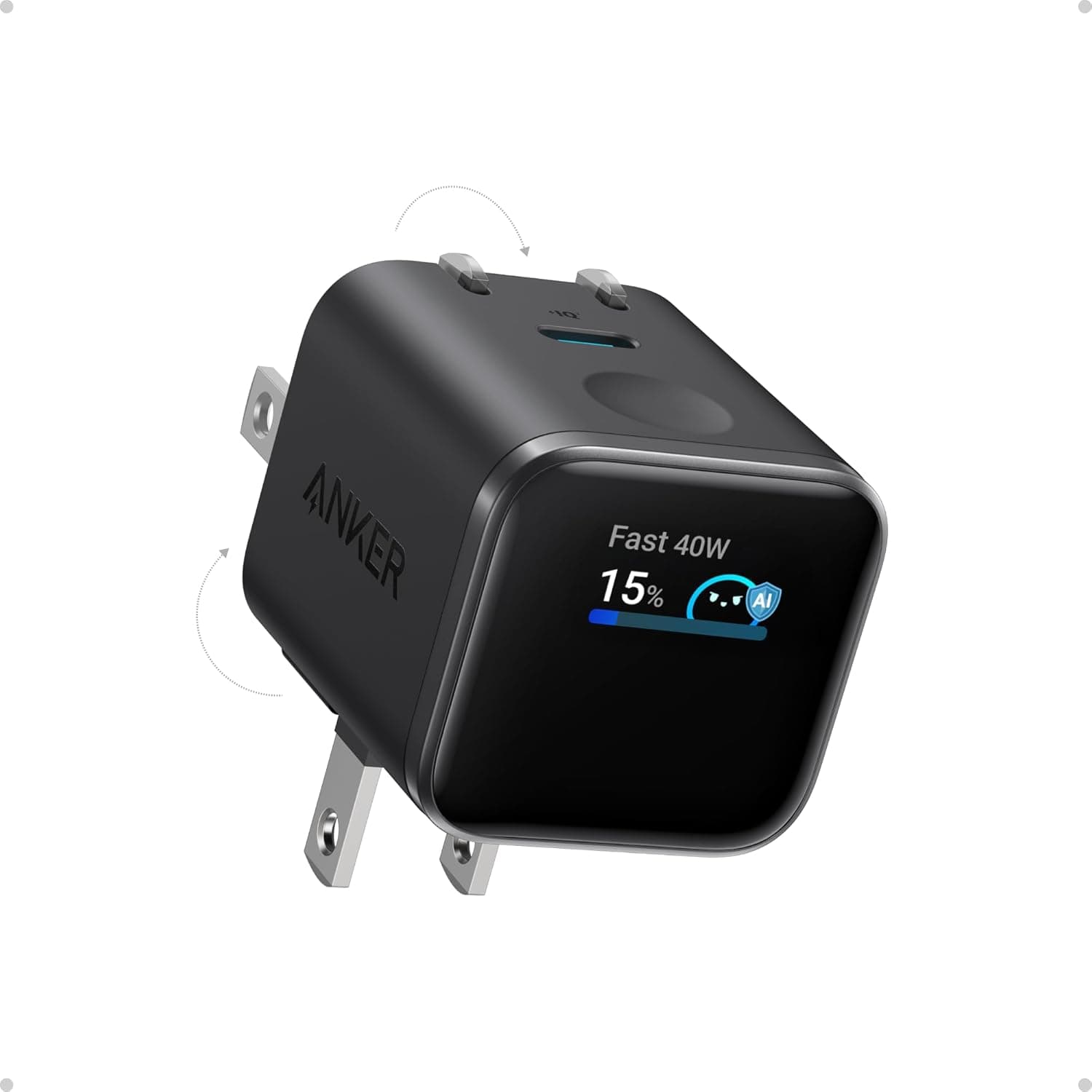
One port, no split
One device at a time, when you want to see what the charger settled on.
View on Amazon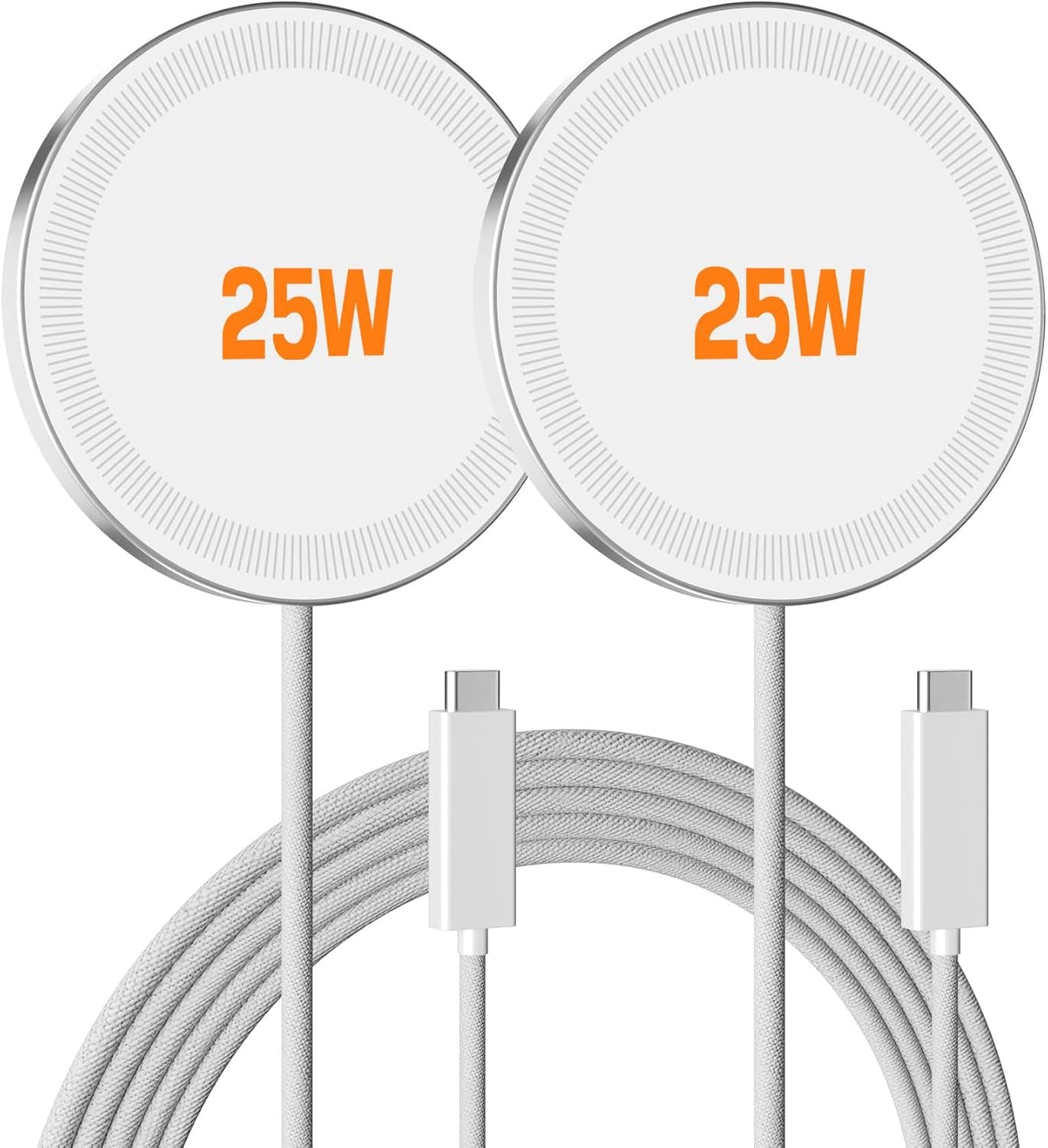
The only stated wattage
A magnetic iPhone on a nightstand, when you want the pad to state a number.
View on Amazon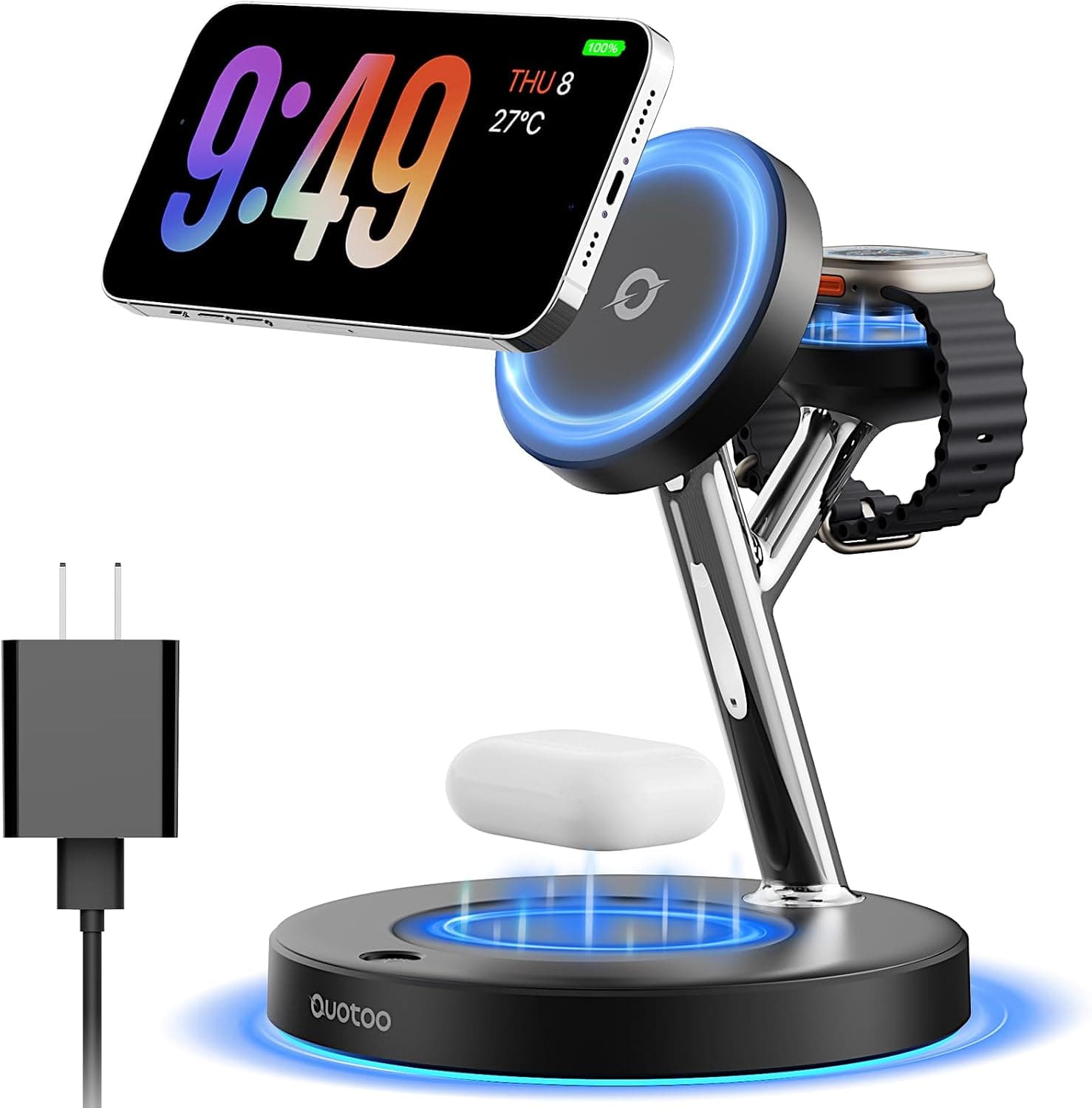
Three devices, one plug
An iPhone, Apple Watch and AirPods owner who wants one nightstand cable instead of three.
View on Amazon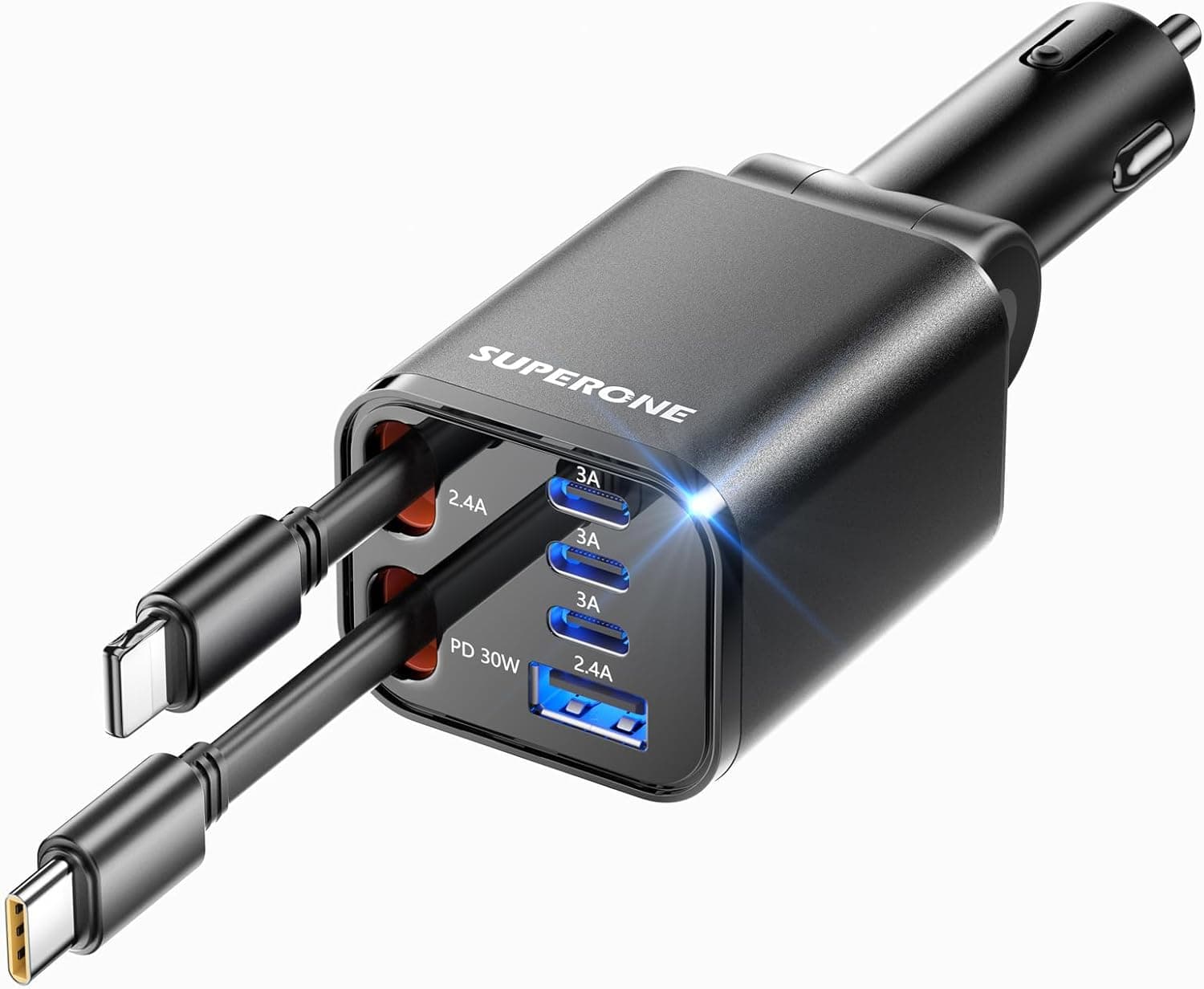
Two retractable cables
A car where cables get lost between the seats.
View on Amazon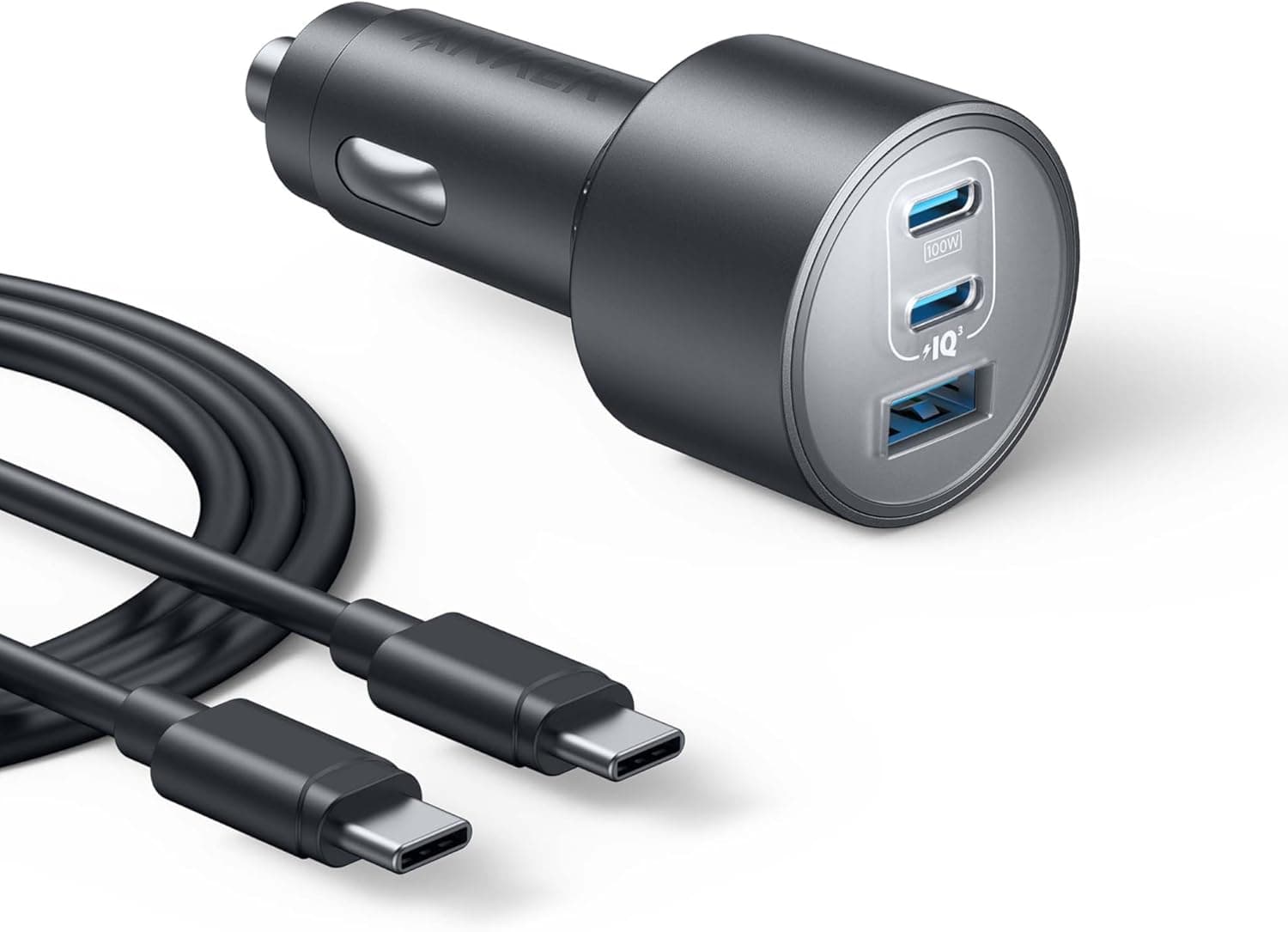
Largest stated total: 167.5W
Two phones and a tablet in one car, with room to spare.
View on Amazon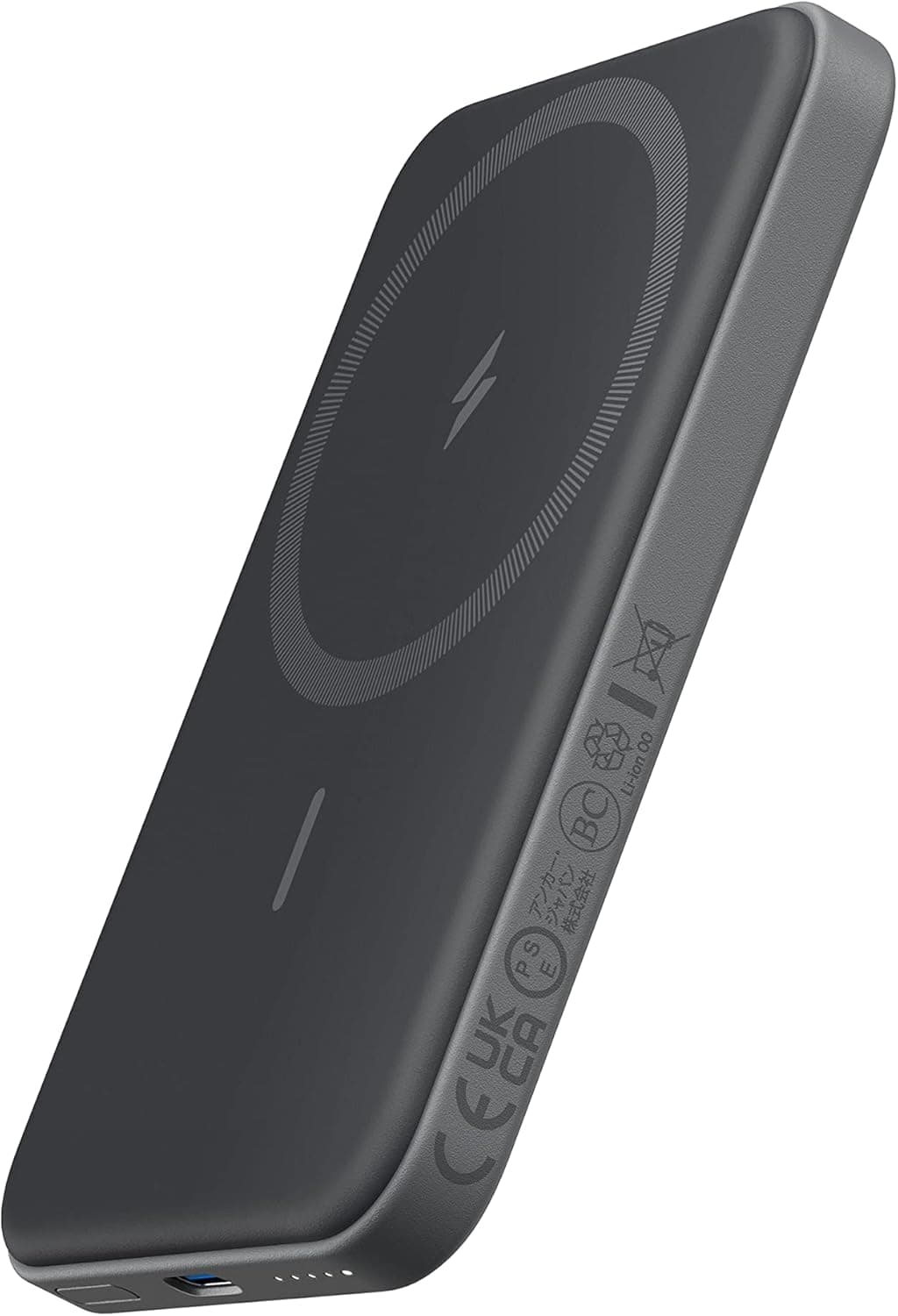
18.5 Wh, smallest here
A top-up that rides on the phone rather than in a bag.
View on Amazon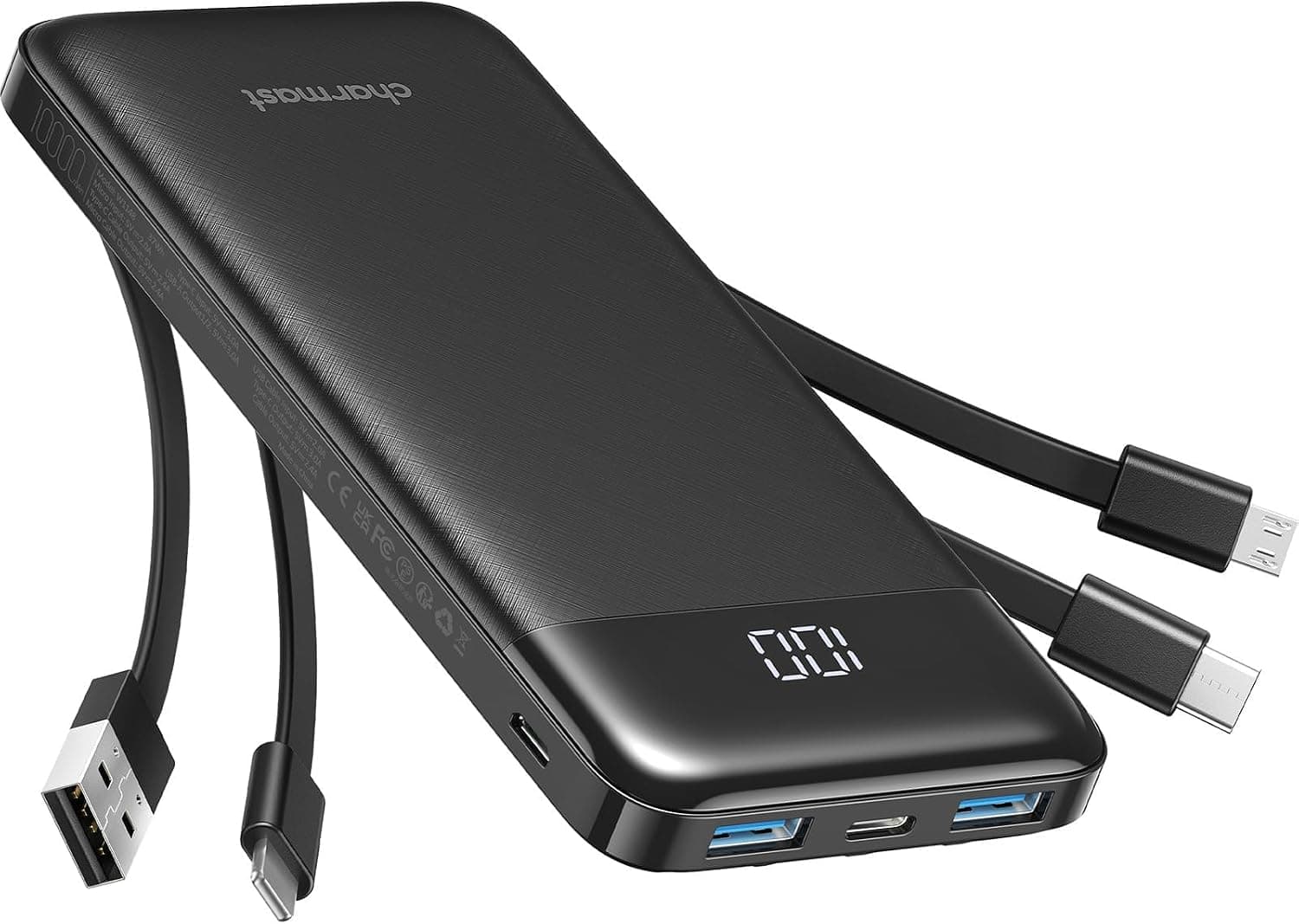
A shared bank for a group with mismatched phones.
View on Amazon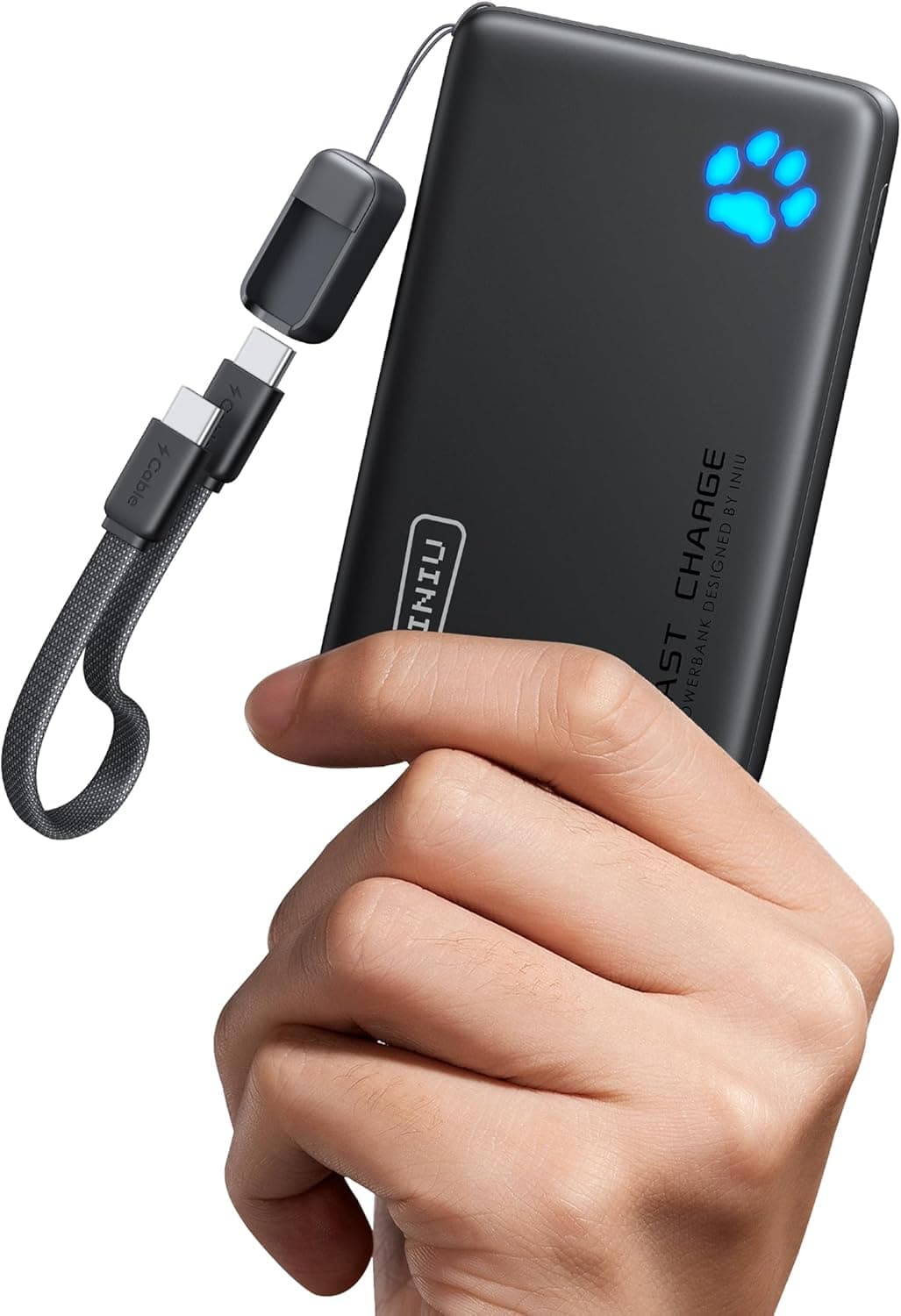
37 Wh by the formula
A day away from an outlet, in a bag that goes through a scanner.
View on Amazon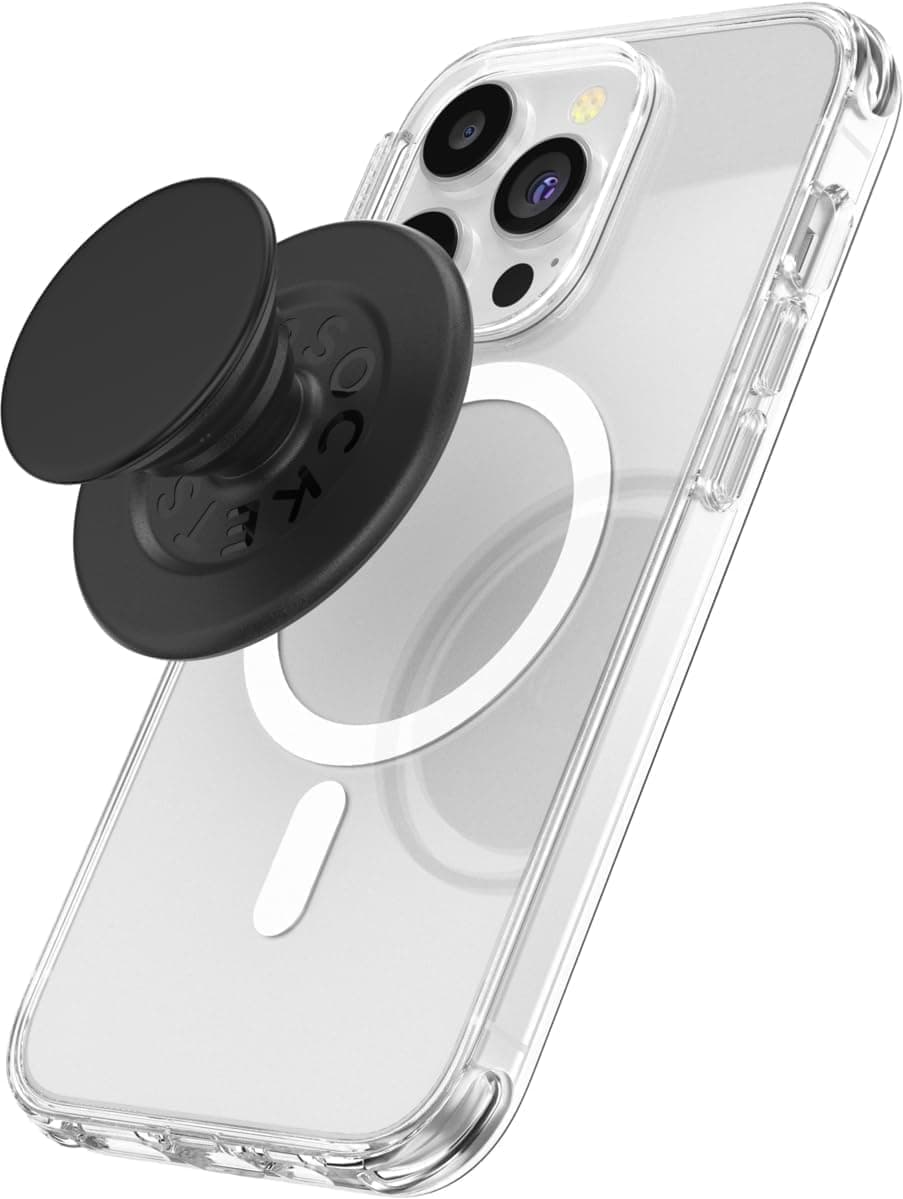
Removable, per the listing
A phone that already has a magnetic ring and a grip you might remove.
View on Amazon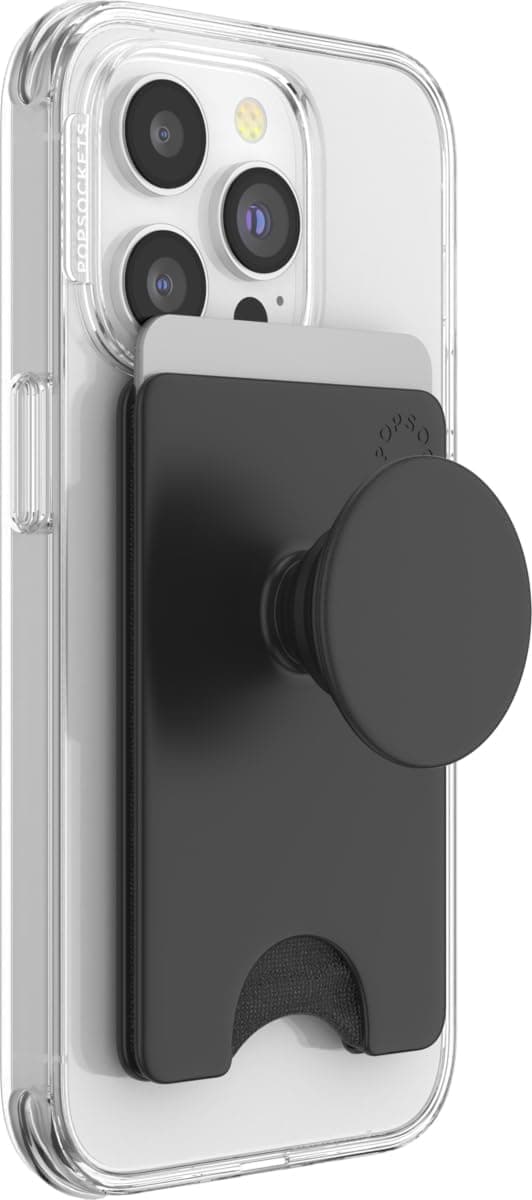
Holds three to five cards
Leaving the actual wallet at home.
View on Amazon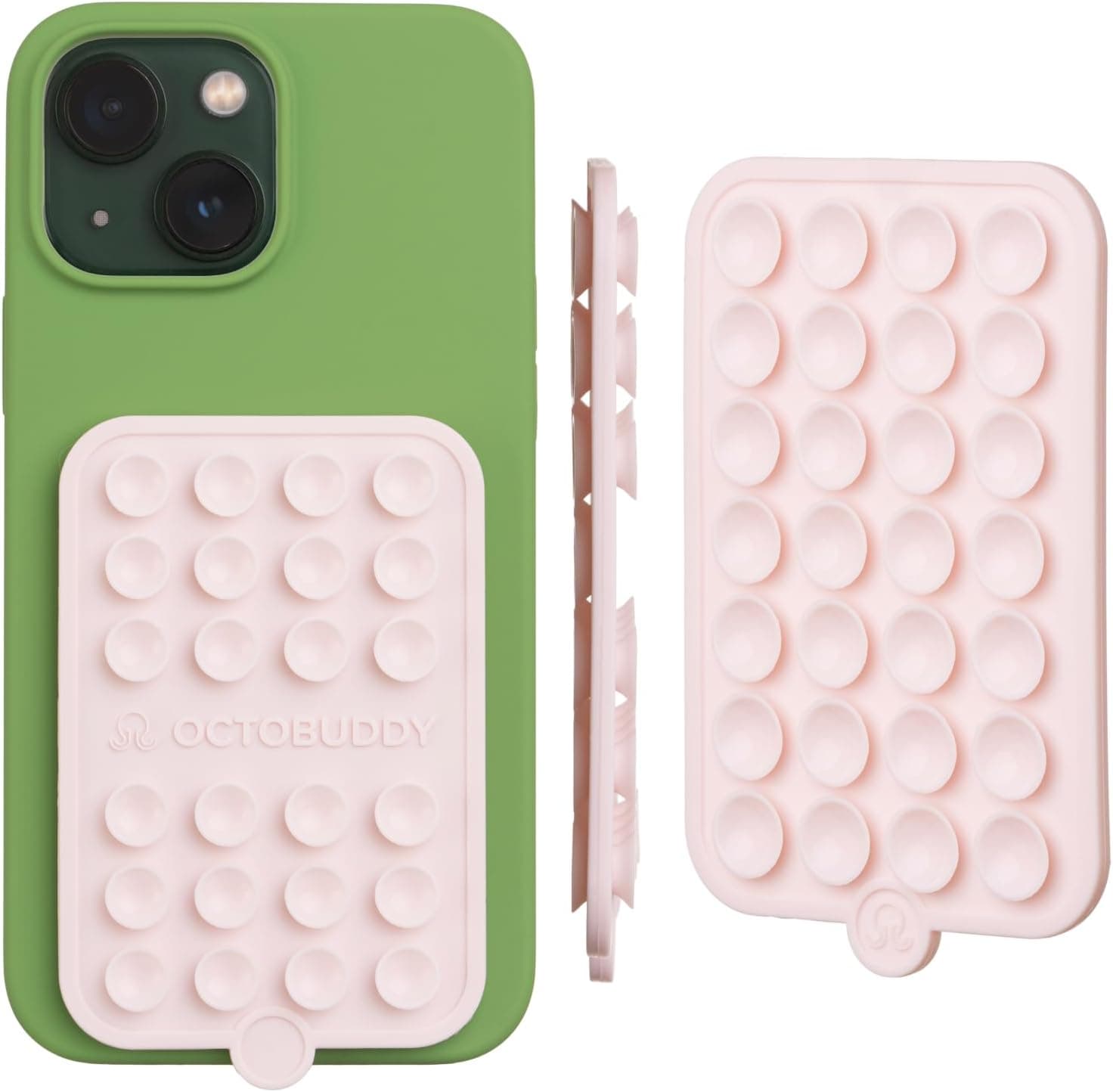
Sticking a phone to a smooth surface for a few minutes at a time.
View on Amazon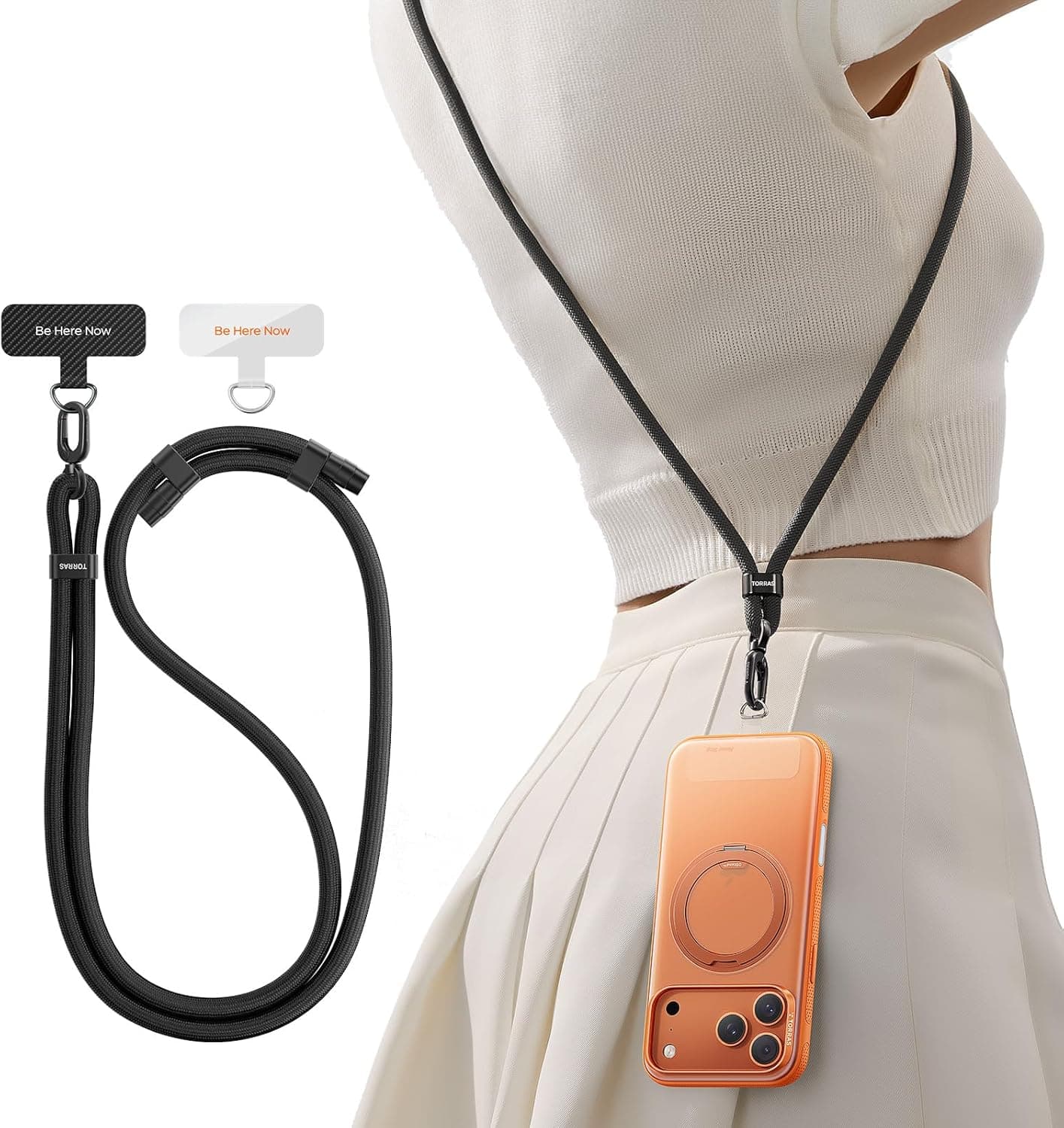
Two tether tabs included
Hands-free carrying in a city, on an adult.
View on Amazon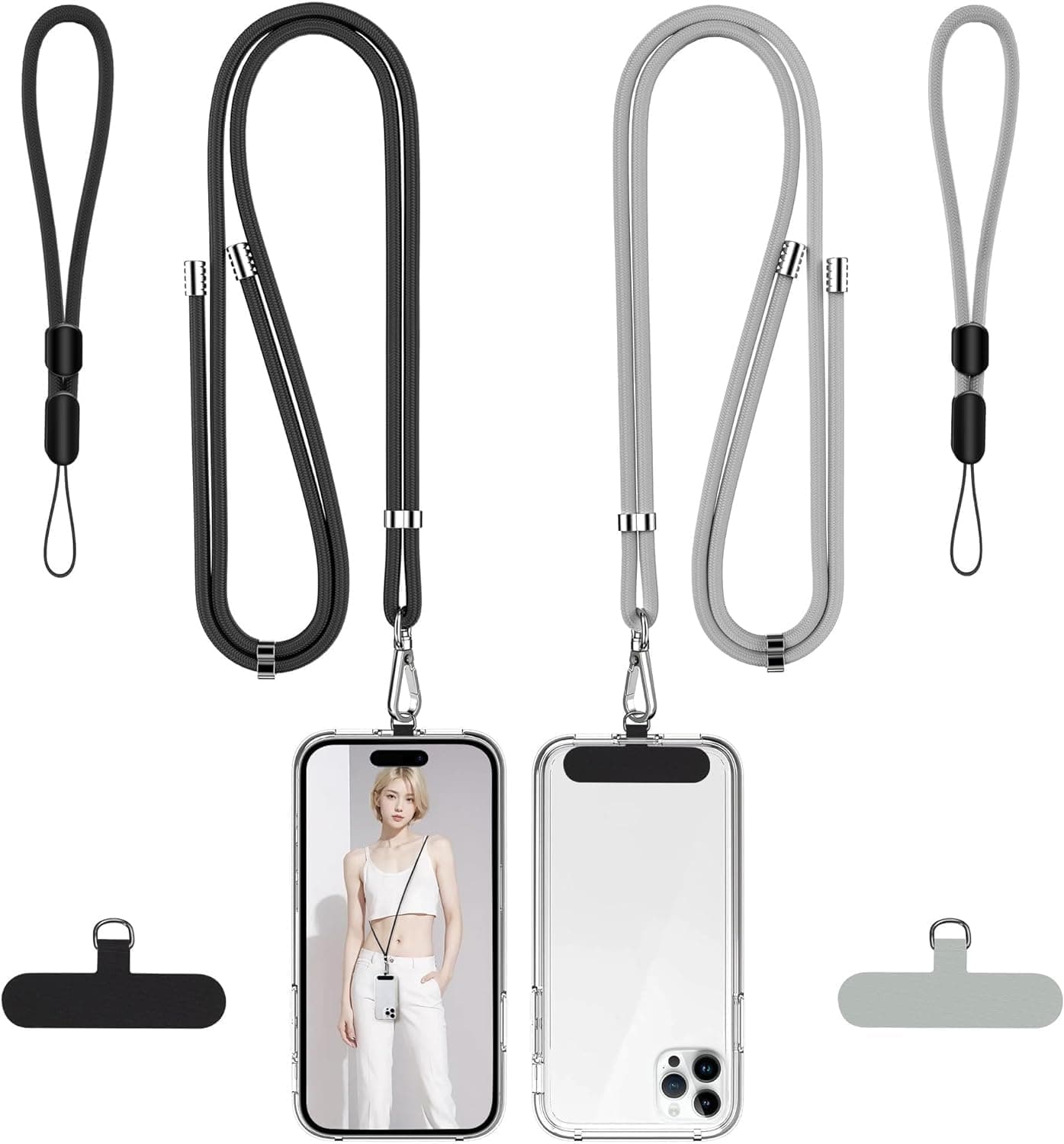
Six pieces in the set
Working out whether you want a wrist strap or a neck strap.
View on Amazon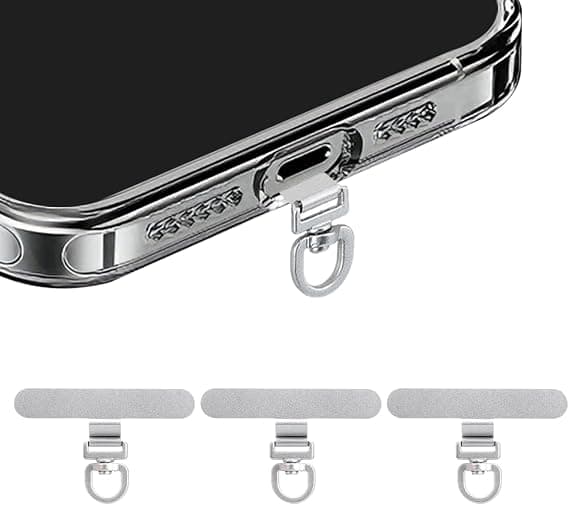
Stainless, three per pack
Keeping one strap and changing cases.
View on Amazon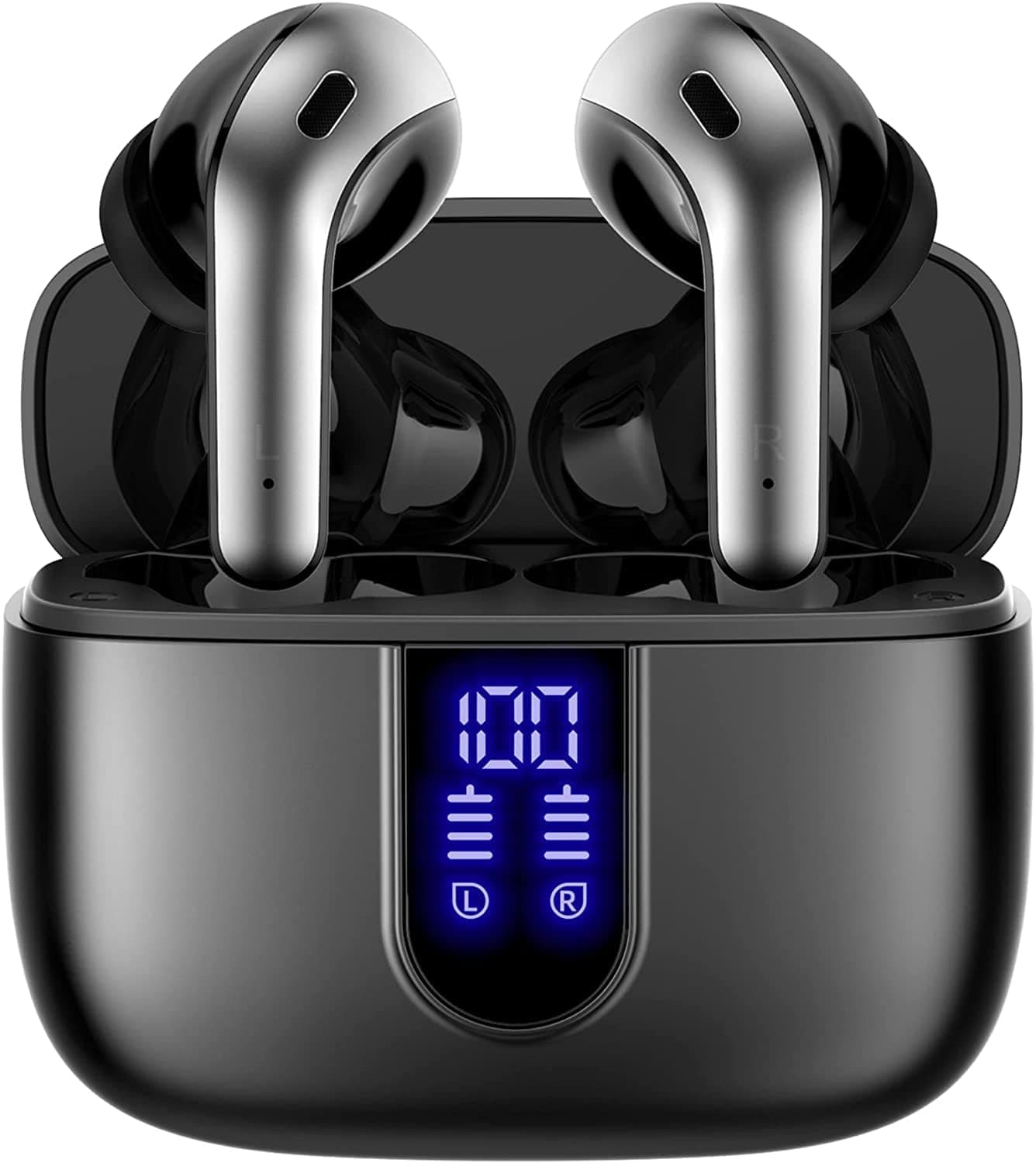
60 hours, longest stated
A week of commuting without thinking about the case.
View on Amazon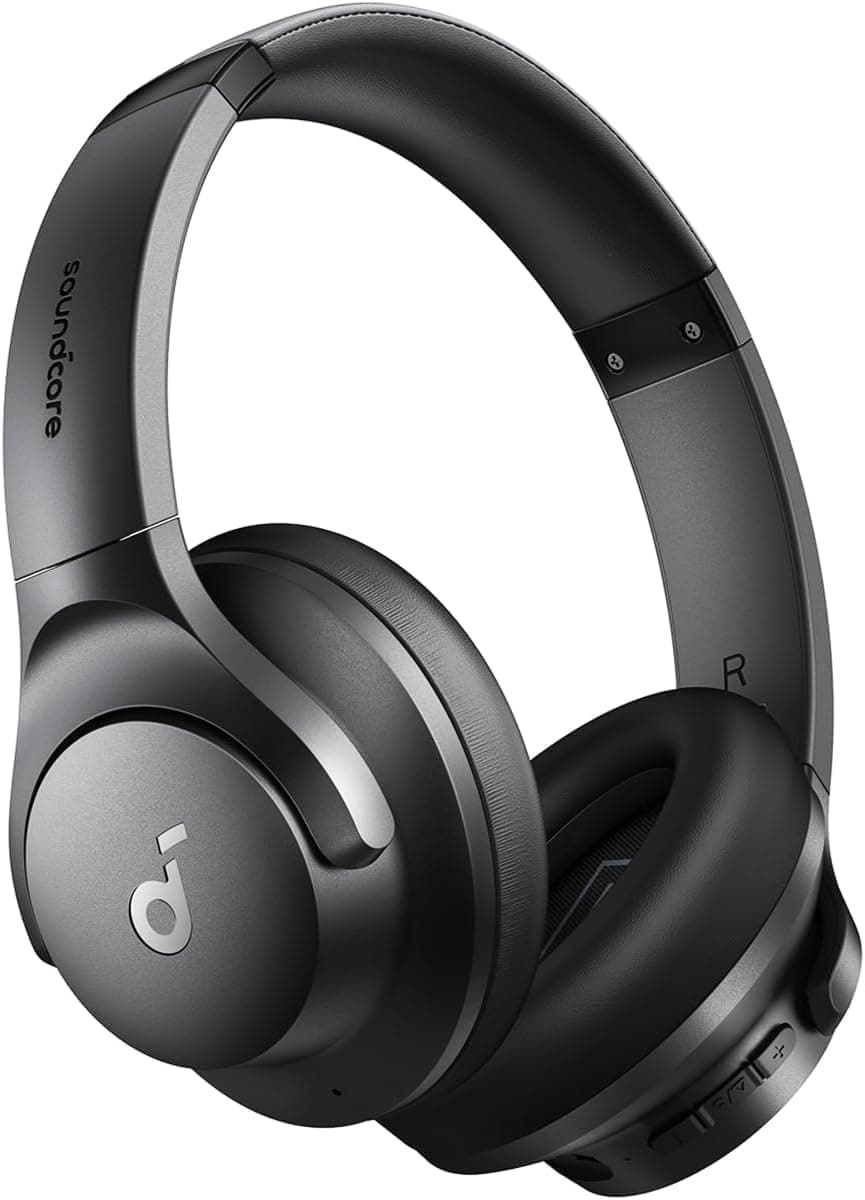
Scroll for the rest →
Milliamp-hours measure charge; watt-hours measure energy. Airlines use watt-hours because milliamp-hours are meaningless without a voltage. Divide the mAh figure by 1000, multiply by 3.7, and you have the number that actually matters. Then remember that stored energy is not delivered energy: stepping the cell voltage up to what a phone accepts costs some of it, and wireless transfer costs more again.
A chip inside a USB-C connector tells the charger what the cable can carry. Without one, the whole chain drops to a conservative level regardless of how capable either end is. This is the most common invisible bottleneck in a charging setup, and the least likely to be blamed. Buy the cable for the largest thing you own and the mystery goes away.
On a third-party listing, "MagSafe compatible" describes an arrangement of magnets that will hold onto a phone or a case. That is the whole claim. It is not certification, it is not a charging speed, and on most non-Apple phones it depends entirely on the case rather than the phone. Alignment and speed are separate questions that share a marketing word.
Method
Links to Amazon on this page are affiliate links, and a qualifying purchase may earn this site a commission at no extra cost to you. It changes nothing about what is written here: no prices, no ratings, and no claims of our own testing. Affiliate Disclosure.